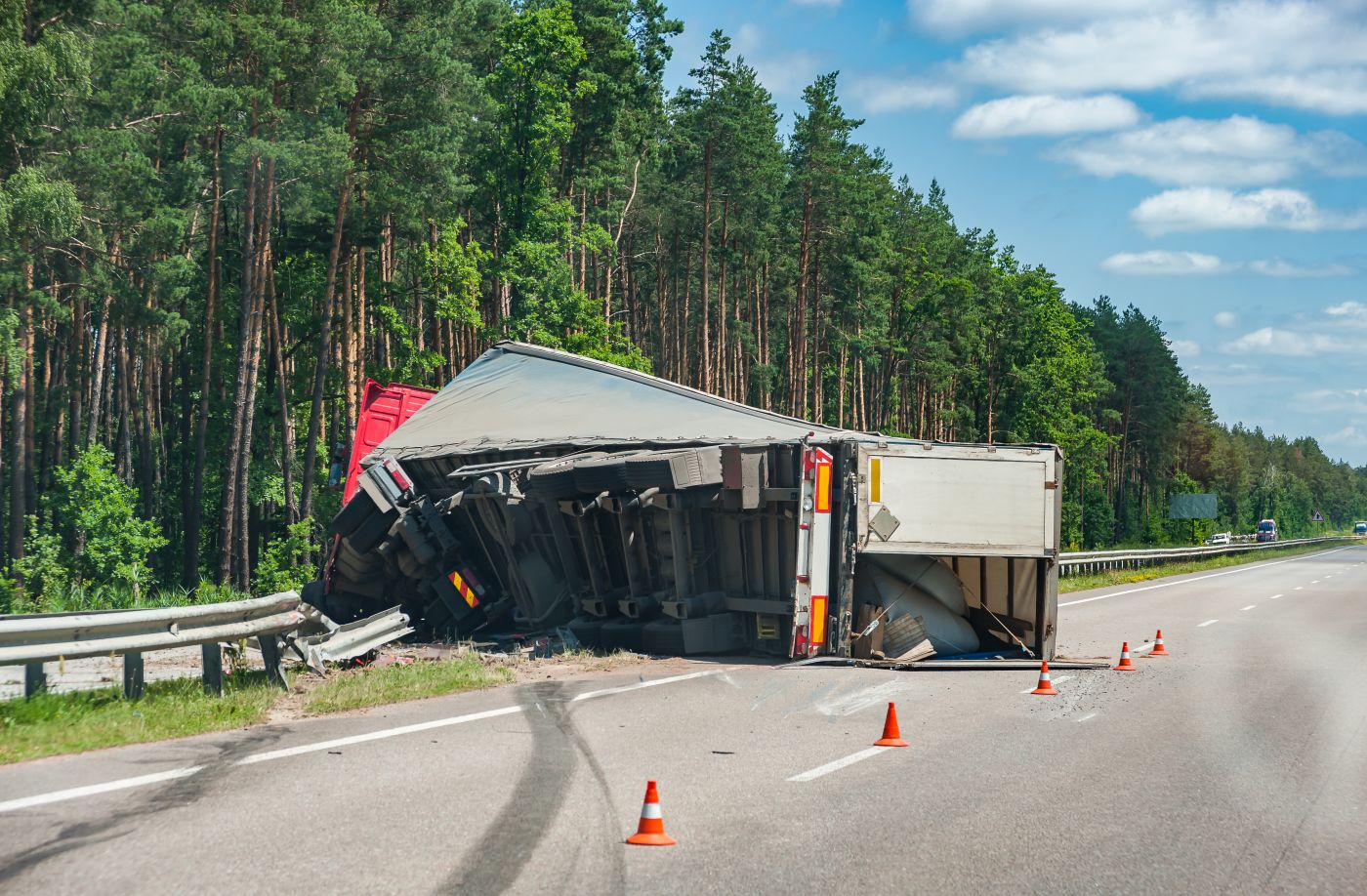
Motor vehicle accidents can happen in the blink of an eye, and in those moments, everything can change. Whether you’re facing injuries or property damage, proving who’s at fault in a collision is essential for a successful claim.
While witness testimony and police reports can help establish the facts, dashcam footage has become an increasingly important tool in accident claims. The footage can either strengthen or undermine a case, depending on the circumstances.
At The Tourigny Law Firm LLC, I’ve helped many clients in Kansas City, Missouri, and across Kansas and Missouri manage the aftermath of motor vehicle accidents. I understand how overwhelming this experience can be.
It’s easy to feel uncertain about how to proceed, especially when trying to piece together the events of the accident. Let’s discuss how dashcam footage can help or hurt your accident claim and how I, as a motor vehicle accident attorney, can assist you in making the most of this important evidence.
What Is Dashcam Footage?
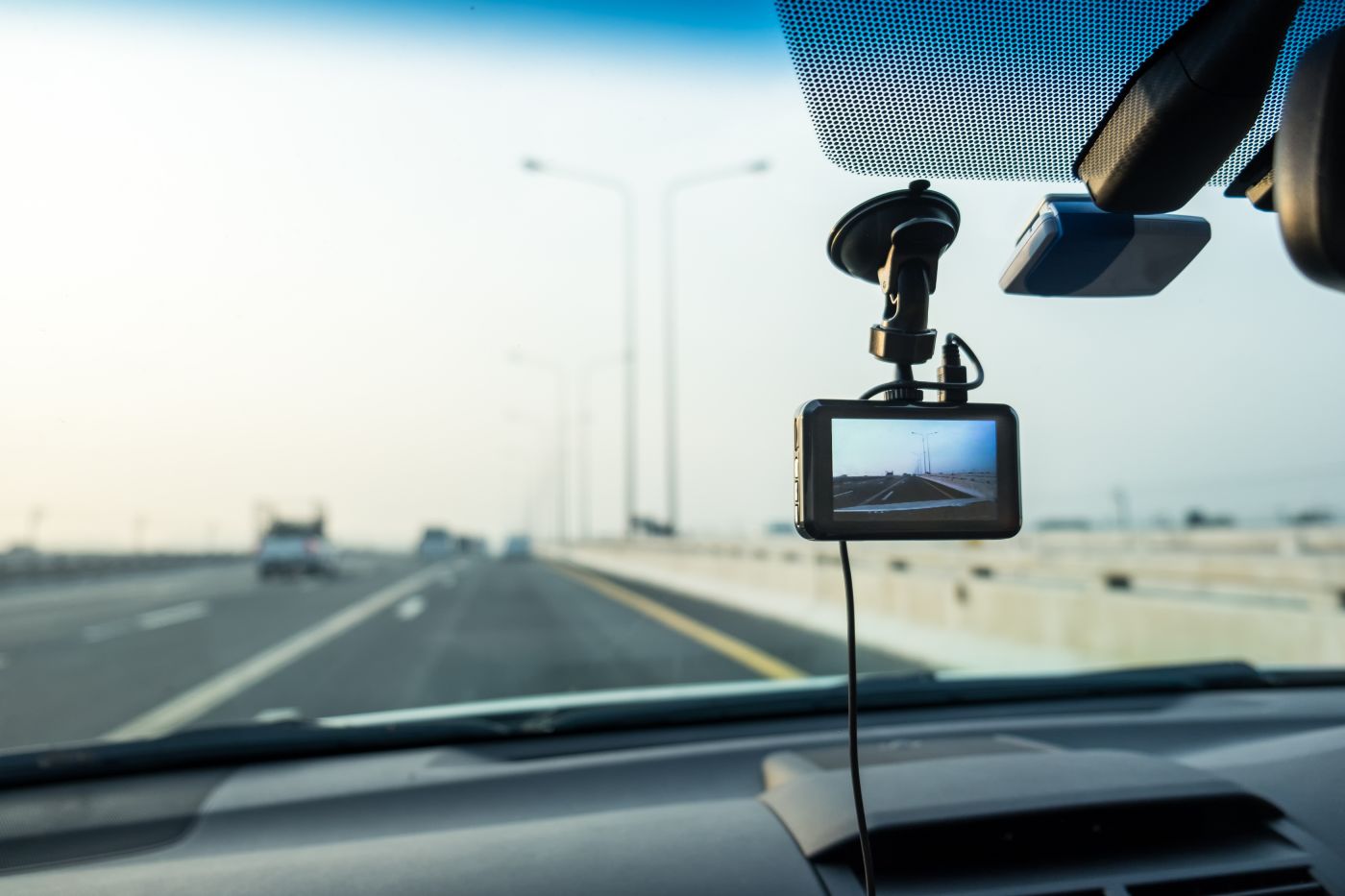
Dashcam footage is exactly what it sounds like—a camera mounted on the dashboard or windshield of your vehicle that records video while you drive. This footage often captures the events leading up to, during, and after a crash.
Since it’s recorded in real time, dashcam footage can provide critical visual evidence that helps clarify the events surrounding an accident. Many vehicles today come equipped with dashcams, or drivers choose to install them to protect themselves in case of a dispute.
For clients who are involved in motor vehicle accidents, dashcam footage can be a powerful piece of evidence. However, like any form of evidence, dashcam footage can have its limitations. In this section, we’ll take a closer look at how dashcam footage can help or hurt your claim.
How Dashcam Footage Can Help Your Accident Claim
In many cases, sharing dashcam footage with your motor vehicle accident attorney can be a game-changer for your accident claim. Here’s how it can help:
Clear Evidence of Fault
Dashcam footage can capture the exact moments before, during, and after the collision. It can provide visual proof of who was at fault in the accident. For example, if another driver runs a red light or changes lanes without signaling, dashcam footage can clearly show this and support your version of events.
Disputes Over Speed or Timing
Dashcam footage can also show the speed at which vehicles were traveling before the crash. This can be useful when there are disputes over how fast a driver was going or whether they were speeding. The timestamp and GPS data embedded in the footage can further corroborate the evidence.
Supporting Witness Testimony
Eyewitness accounts are valuable, but their recollections can sometimes be faulty or inconsistent. Dashcam footage serves as a neutral third-party witness that records events exactly as they happened.
If a witness’s testimony differs from the video, your motor vehicle accident attorney can point out how the footage can strengthen your case by offering a clearer picture of the events.
Showing the Sequence of Events
Dashcam footage provides a continuous record of the events leading up to the crash. Unlike police reports or witness testimony, which might leave gaps or lack details, video footage offers a clear timeline. This can help clarify the chain of events, including whether a driver engaged in dangerous behavior, such as tailgating or making an illegal maneuver.
Demonstrating the Severity of the Accident
Sometimes, the extent of an accident’s severity can be questioned. Dashcam footage shows the force of the crash, the extent of damage to the vehicles, and whether injuries occurred. In some cases, this visual evidence can play a key role in demonstrating the true impact of the accident.
Strengthening Your Claim for Damages
If you’re seeking compensation for injuries or property damage, dashcam footage can be an important piece of evidence in proving the accident’s cause and severity. It can help demonstrate how the other driver’s actions directly caused the damage, supporting your claim for compensation.
How Dashcam Footage Can Hurt Your Accident Claim
While dashcam footage can be a powerful asset in an accident claim, it can also work against you under certain circumstances. Here’s how dashcam footage might hurt your case.
Capturing Your Own Mistakes
If the dashcam footage reveals that you were at fault—whether it’s because you ran a red light, failed to yield, or were speeding—it can hurt your claim. If you made an error or violated traffic laws that directly led to the accident, the footage can be used against you in court or insurance negotiations.
Missing or Incomplete Footage
Sometimes, dashcam footage may not capture the full incident. If the camera was turned off or if the footage is too blurry or unclear, it might not be reliable evidence. It’s also possible that the footage may not have captured crucial moments, such as the actual collision, leaving gaps in your case.
The Footage Being Tampered With or Edited
If the footage is edited or altered in any way, it could be dismissed as unreliable or inadmissible in court. If the other party or insurance companies suspect that the footage has been manipulated, they may argue that it’s not a fair representation of what actually happened.
Providing Inconsistent Evidence
In some cases, dashcam footage might provide evidence that contradicts your version of events. For example, the video might show that your car was in the wrong lane or that you weren’t paying attention when the collision occurred. This type of footage can severely weaken your claim if it doesn’t match your testimony or other evidence in the case.
Privacy Concerns
Dashcam footage may sometimes capture events or conversations that you didn’t intend to record, such as interactions with passengers, conversations, or other private matters. While this doesn’t necessarily hurt your claim, it’s something to be mindful of when sharing footage with authorities or insurance companies.
When Should You Share Dashcam Footage?
It’s important to approach dashcam footage with caution, especially when sharing it with insurance companies, law enforcement, or the other party involved in the accident. Here’s when and how to share footage:
Immediately after the accident: After the accident, if it’s safe, you should share your dashcam footage with the police or other authorities investigating the accident. If the footage supports your version of events, it can be incredibly valuable for your case.
When filing an insurance claim: If you’re filing a claim with your insurance company, it’s a good idea to provide them with the footage. However, be sure to review the footage first and make sure that it supports your claim. If the footage shows you were at fault, it’s better to consult with a motor vehicle accident attorney before sharing it with your insurer.
Consult your attorney first: Before making the footage public or sharing it with the other party involved in the accident, it’s often a good idea to consult with a motor vehicle accident attorney. At The Tourigny Law Firm LLC, I can help you determine how to handle dashcam footage to best support your claim.
In general, sharing dashcam footage should be done carefully and strategically, ensuring it aligns with your interests and consulting a motor vehicle accident attorney when in doubt.
Contact a Skilled Motor Vehicle Accident Attorney Today
Dashcam footage can be both an asset and a liability when it comes to your motor vehicle accident claim. The key is understanding how to use it properly and making sure it works in your favor.
If you’ve been involved in an accident in Kansas City, Missouri, or elsewhere in Kansas and Missouri, I’m here to help at The Tourigny Law Firm LLC. As an experienced motor vehicle accident attorney, I’ll work with you to evaluate your case and provide sound guidance moving forward.
Reach out to me today for a consultation. I’ll help you understand your rights and work tirelessly to protect your interests. Let me help you defend your rights.