When someone suffers a traumatic injury, the physical impact is only part of the struggle. The emotional exhaustion, financial pressure, and sudden disruption to everyday life can leave families feeling lost, frightened, and uncertain about how to move forward.
Catastrophic injuries change lives in ways most people never imagine, and when they happen, loved ones often step into roles they never expected—caregiver, medical advocate, financial coordinator, and emotional support system all at once. If you or someone you care about has experienced such a life-altering injury in Kansas City, Missouri, or anywhere across Kansas and Missouri, I know how overwhelming everything feels.
That’s why I’m here to help you understand what these injuries mean in a legal context and how my firm, The Tourigny Law Firm LLC, can support you during one of the hardest times in your life. If you’re already feeling stretched thin and you’re seeking the help of a catastrophic injury attorney, I’m ready to step in and guide you toward the resources and legal support you need. Reach out to me today.
What Makes an Injury Catastrophic?
When we discuss catastrophic injuries in a legal setting, we’re talking about harm that leads to long-term, permanent, or life-altering consequences. These injuries aren’t temporary setbacks. They create ongoing medical needs, reduce or eliminate the ability to work, and often require major adjustments to daily living.
As a catastrophic injury attorney, I regularly work with individuals whose injuries affect every part of their life—from basic mobility to their ability to maintain relationships, careers, or independence. The legal system treats catastrophic injuries differently because the stakes are higher, the losses are extensive, and the long-term needs of the injured person must be properly valued.
Types of Catastrophic Injuries Recognized in Law
Certain injuries are so severe and so likely to cause lasting impairment that the legal community widely recognizes them as catastrophic. Before looking at why they matter in legal claims, let’s explore the types of injuries that typically fall into this category.
Traumatic Brain Injuries (TBIs)
Traumatic brain injuries can overhaul a person’s physical, cognitive, and emotional functioning. Severe TBIs often require lifelong care and can make basic tasks, memory, communication, and emotional regulation extremely challenging.
As a catastrophic injury attorney, I’ve seen how even mild TBIs evolve into long-term issues that impact everything from job performance to personal relationships. Severe TBIs are even more devastating, often leading to permanent disability.
Spinal Cord Injuries
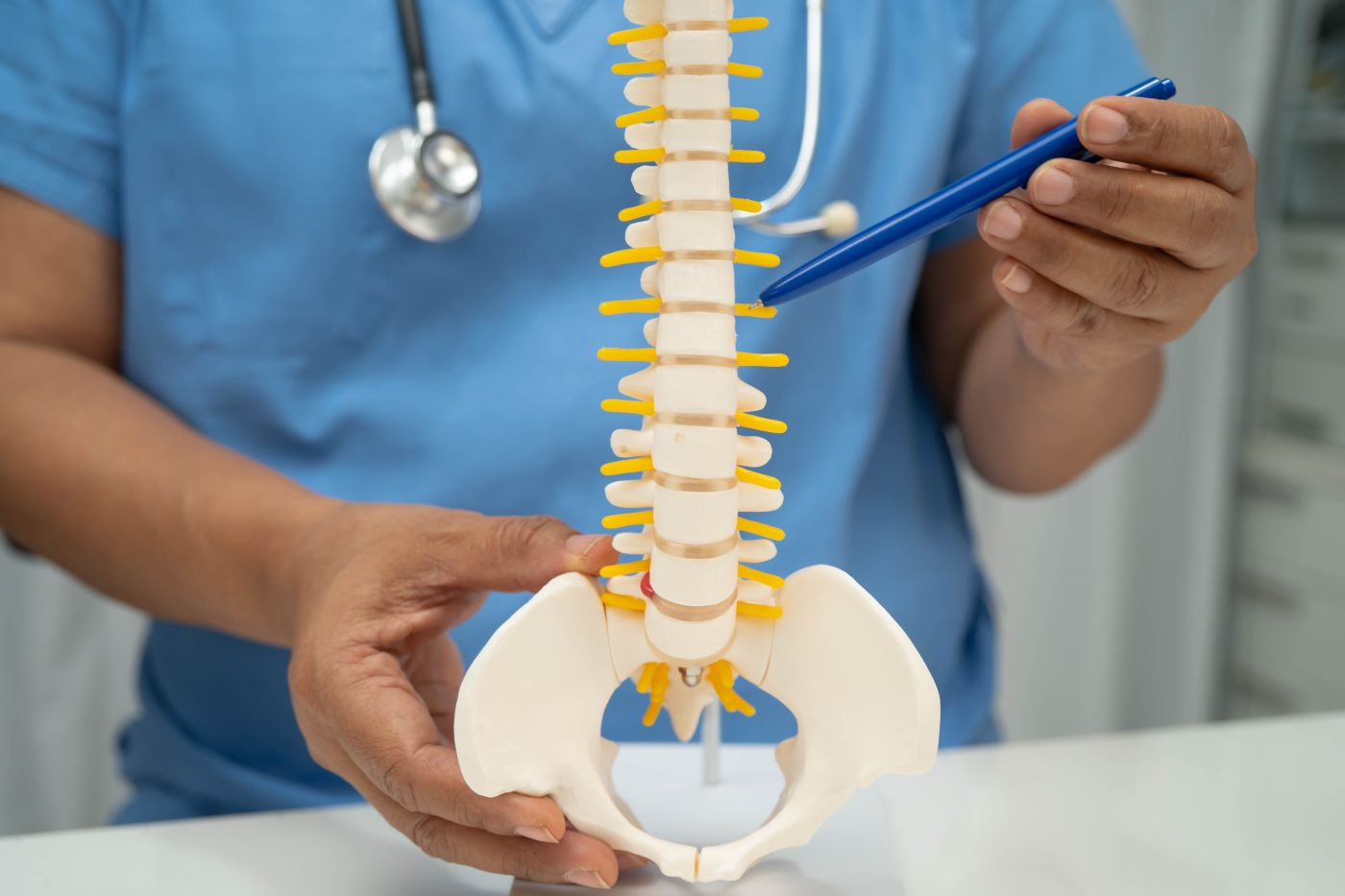
Spinal cord injuries are among the most life-changing injuries someone can suffer. They can lead to varying levels of paralysis—paraplegia, quadriplegia, or partial impairment depending on the location and severity.
These injuries often require lifetime medical management, home modifications, assistive equipment, and ongoing rehabilitation. The financial and emotional strain on families is enormous, which is why legal representation is so important.
Severe Burn Injuries
Severe burns, particularly third- or fourth-degree burns, cause extreme pain and long-term damage. Victims may face limited mobility, disfigurement, nerve damage, infections, and multiple surgeries. Burn injuries frequently lead to a dramatic shift in a person’s independence and emotional well-being.
Amputations or Loss of Limbs
The loss of a limb completely changes a person’s daily abilities and often results in the need for prosthetics, rehabilitation, long-term pain management, and emotional trauma. It also impacts income and independence. These injuries almost always qualify as catastrophic due to their lifelong implications.
Severe Organ Damage or Internal Injuries
Organ injuries such as kidney failure, lung damage, or intestinal trauma can leave a person permanently compromised. These injuries require ongoing medical care and can make normal activities incredibly challenging.
Multiple Fractures or Crush Injuries
While a single fracture may heal over time, multiple fractures or crush injuries can limit mobility, cause chronic pain, require multiple surgeries, and lead to permanent physical limitations. The long-term effects often place these injuries in the catastrophic category for legal cases.
Why Catastrophic Injuries Carry Greater Legal Significance
Catastrophic injuries are not just physically devastating—they carry significant legal weight because they permanently alter a person’s future. When pursuing compensation for a catastrophic injury, it’s critical to consider not only what has already been lost but what will continue to be lost for years or decades to come.
The Ripple Effect of a Catastrophic Injury
These injuries impact earnings, career opportunities, independence, family relationships, mental health, daily tasks, and long-term financial stability. Because of the profound consequences, the damages in catastrophic injury cases are often far higher than in standard personal injury claims and require a detailed evaluation.
Common Situations That Lead to Catastrophic Injuries
Catastrophic injuries can occur in countless ways, but some situations are especially likely to cause long-term harm. Below are the most common sources of these injuries and why they often lead to serious legal cases.
Motor Vehicle Collisions
Car crashes, motorcycle wrecks, trucking accidents, and pedestrian collisions are major causes of catastrophic injuries. High speeds, large vehicles, and violent impacts frequently result in permanent damage to victims.
Commercial Trucking Accidents
Large commercial trucks, due to their size and weight, can cause catastrophic harm even at lower speeds. Spinal cord injuries, traumatic brain injuries, and severe fractures are common in these collisions.
Construction and Workplace Accidents
Falls, heavy machinery incidents, electrical shocks, and crushing hazards are common causes of life-changing injuries on job sites. These cases often involve preventable hazards like unsafe equipment, lack of training, falling debris, defective tools, and employer negligence.
Medical Errors
Surgical mistakes, birth injuries, and treatment failures can result in brain injuries, nerve damage, loss of mobility, severe infections, or organ damage. The consequences of medical errors are often life-altering, leaving victims with significant physical, emotional, and financial burdens.
Defective Products
Defective consumer goods, machinery, vehicles, and medical devices can cause catastrophic harm when they fail, often leading to legal claims for negligence or product liability.
Slip-and-Fall or Premises Liability Injuries
Falls from significant heights or unsafe conditions on someone else’s property can easily result in spinal or brain injuries. No matter how the injury occurred, a catastrophic injury attorney can help determine whether negligence played a role.
Life-Changing Consequences of Catastrophic Injuries
Catastrophic injuries affect every corner of a person’s life. In legal claims, it’s crucial to evaluate the full scope of the impact—not just immediate pain and medical expenses.
Medical Needs and Long-Term Care
These injuries often require surgeries, rehabilitation, medication, therapy, assisted living care, and home modifications. These costs can persist for a lifetime.
Loss of Income and Future Earning Capacity
A catastrophic injury can prevent someone from working or force them into a lower-paying job due to physical limitations. These financial losses are a critical part of any catastrophic injury claim.
Emotional and Psychological Trauma
The emotional toll of these injuries can include post-traumatic stress, depression, anxiety, loss of independence, loss of confidence, and strain on relationships. The psychological impact is just as significant as the physical and financial effects.
What Must Be Proven in a Catastrophic Injury Case?
To pursue compensation for a catastrophic injury, it’s necessary to prove liability and demonstrate the long-term damages caused by the injury. This involves several steps.
Establishing Fault
It must be shown that someone’s negligence or wrongful act caused the injury. This process may include accident reconstruction, eyewitness reports, surveillance footage, medical records, expert assessments, and evidence of safety or policy violations.
Proving Long-Term Damages
The case must clearly demonstrate how the injury impacts health, mobility, employment, quality of life, and future financial stability. This evidence is key to advocating for full compensation.
Key Legal Damages in Catastrophic Injury Cases
Catastrophic injury claims typically include larger and more varied damages because the long-term consequences are so significant. These damages fall into two main categories: economic and non-economic:
Economic Damages You May Recover
This list outlines the financial costs that we may include in your case. Economic damages cover measurable expenses.
Medical care: hospital stays, surgeries, medications
Rehabilitation: physical, occupational, and speech therapy
Long-term treatment: specialist visits and ongoing care
Lost wages: income you’ve already missed
Loss of earning potential: reduced lifetime income
Home modifications: ramps, lifts, accessible bathrooms
Assistive technology: wheelchairs, mobility devices
These damages acknowledge the financial hardship catastrophic injuries bring and help restore stability moving forward. These aren’t short-term expenses—they represent the lifelong burden placed on the injured person.
Non-Economic Damages You May Recover
Below is a list that highlights what victims often face emotionally and physically. These damages help illustrate the human impact behind every catastrophic injury claim.
Pain and suffering: long-term physical discomfort
Emotional distress: depression, anxiety, trauma
Loss of enjoyment of life: inability to engage in hobbies
Loss of companionship: strain on relationships
Disfigurement or scarring: long-term personal impact
After reviewing these non-economic damages, it’s clear why catastrophic injury cases require a careful, in-depth evaluation of long-term harms. Non-economic damages recognize the personal toll that doesn’t show up on receipts or invoices. These losses merit equal legal attention.
Speak With a Skilled Catastrophic Injury Attorney Today
If you or someone you love has suffered a life-altering injury in Kansas City, Missouri, or anywhere across Kansas and Missouri, I’m here to help you regain stability, clarity, and confidence about the road ahead. As your experienced catastrophic injury attorney, I’m committed to helping you pursue the financial support you need to rebuild your life.
Catastrophic injuries change lives in profound ways, and no one should face the emotional, financial, and physical burdens alone. At The Tourigny Law Firm LLC, I’ll be here to stand with you, explain your options, and advocate for your long-term well-being. Reach out to me today.